Explore research-backed evidence demonstrating the health benefits of molecular hydrogen in reducing oxidative stress, enhancing energy, and promoting overall well-being.
H2 Living Water is not affiliated with hydrogenstudies.com or molecularhydrogeninstitute.org

In today’s fast-paced world, we are constantly exposed to stress, pollution, and poor lifestyle habits that contribute to the accumulation of oxidative stress in our bodies. Oxidative stress occurs when there is an imbalance between free radicals and antioxidants, leading to cellular damage and inflammation. This can have long-term effects on your health, accelerating the aging process and increasing the risk of chronic diseases such as heart disease, diabetes, cancer, and neurodegenerative disorders.
Despite our best efforts, traditional methods of combating oxidative stress, such as diet and exercise, may not always be enough to protect against the relentless damage caused by free radicals. This is where molecular hydrogen comes into play—a powerful, natural antioxidant that targets and neutralizes the most damaging free radicals in our bodies, offering a new approach to reducing oxidative stress and promoting overall health.
However, the real challenge is that many people are still unaware of the significant role oxidative stress plays in our daily lives and the availability of effective solutions to combat it. Understanding how to incorporate hydrogen-enriched water and inhalation into your wellness routine can make a real difference in the fight against oxidative damage, inflammation, and accelerated aging.
Our molecular hydrogen systems are rigorously tested and certified by leading global health and safety authorities.
Molecular hydrogen acts as an antioxidant, helping to neutralize harmful free radicals in the body, which can reduce oxidative stress and inflammation.

Some studies suggest that drinking hydrogen water may enhance athletic performance by reducing muscle fatigue and improving recovery time.

Hydrogen water may promote skin health by reducing oxidative stress and inflammation, potentially improving skin conditions such as wrinkles and acne.

By reducing oxidative stress and inflammation, hydrogen water may help increase energy levels and reduce fatigue.

Some research indicates that hydrogen water may have neuroprotective effects, potentially improving cognitive function and reducing the risk of neurodegenerative diseases like Alzheimer’s.

Hydrogen water may help support digestion by reducing oxidative stress in the digestive tract and promoting a healthy balance of gut bacteria.
Portable bottles, countertop systems, and therapy units — choose your ideal concentration and capacity.
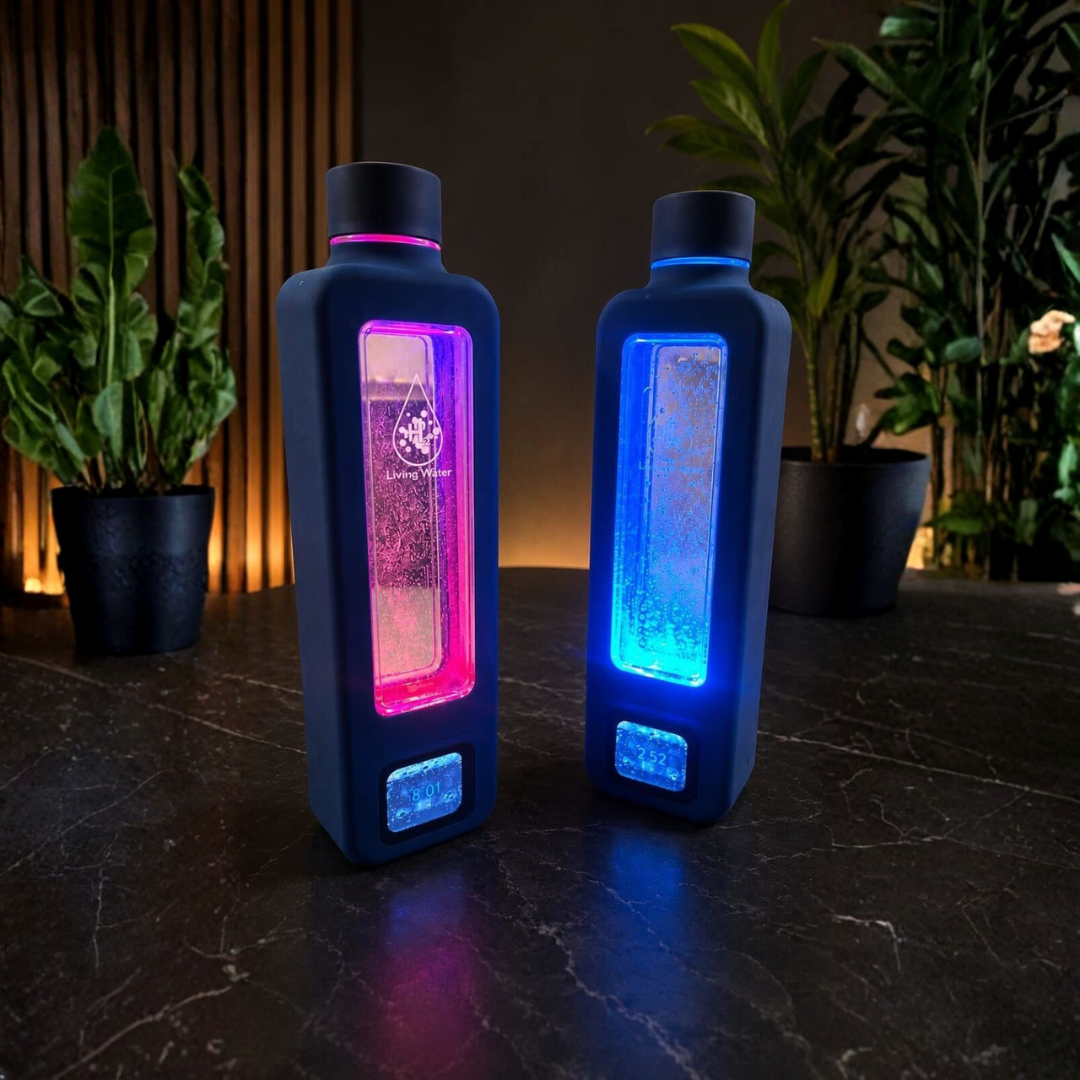
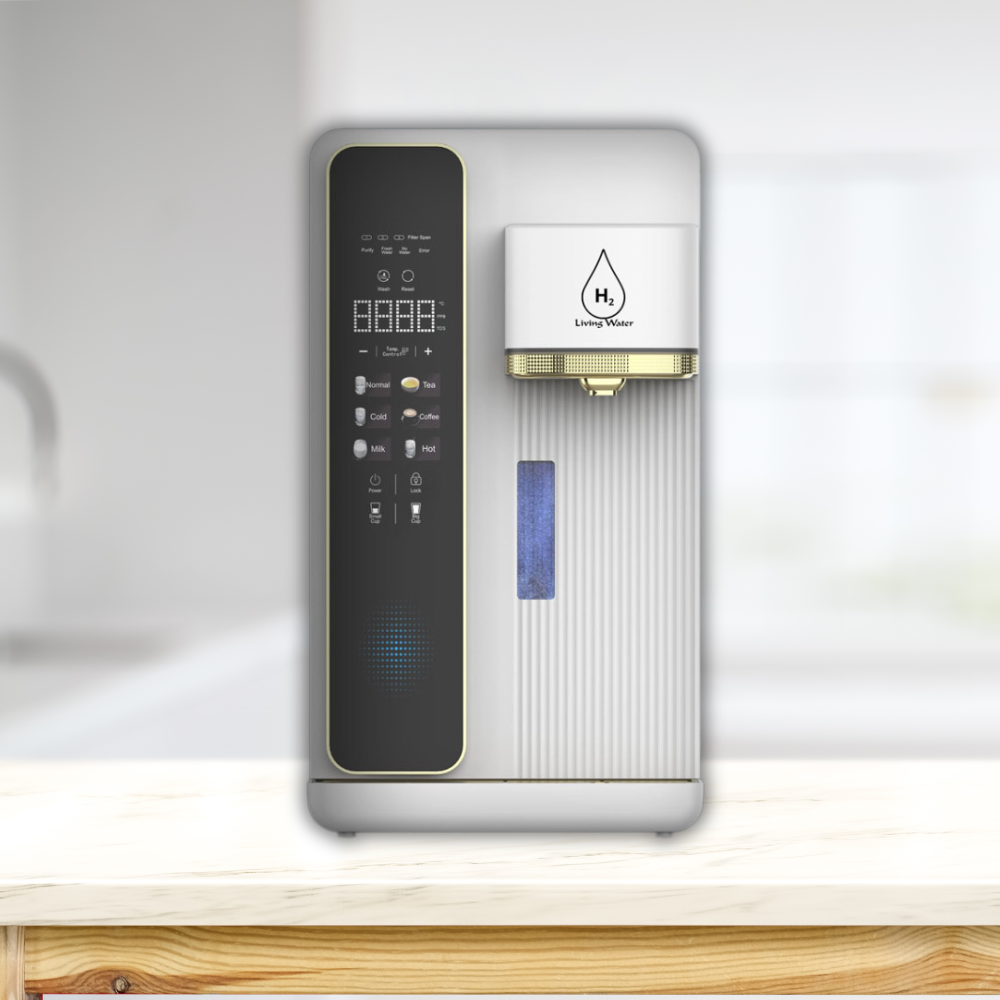
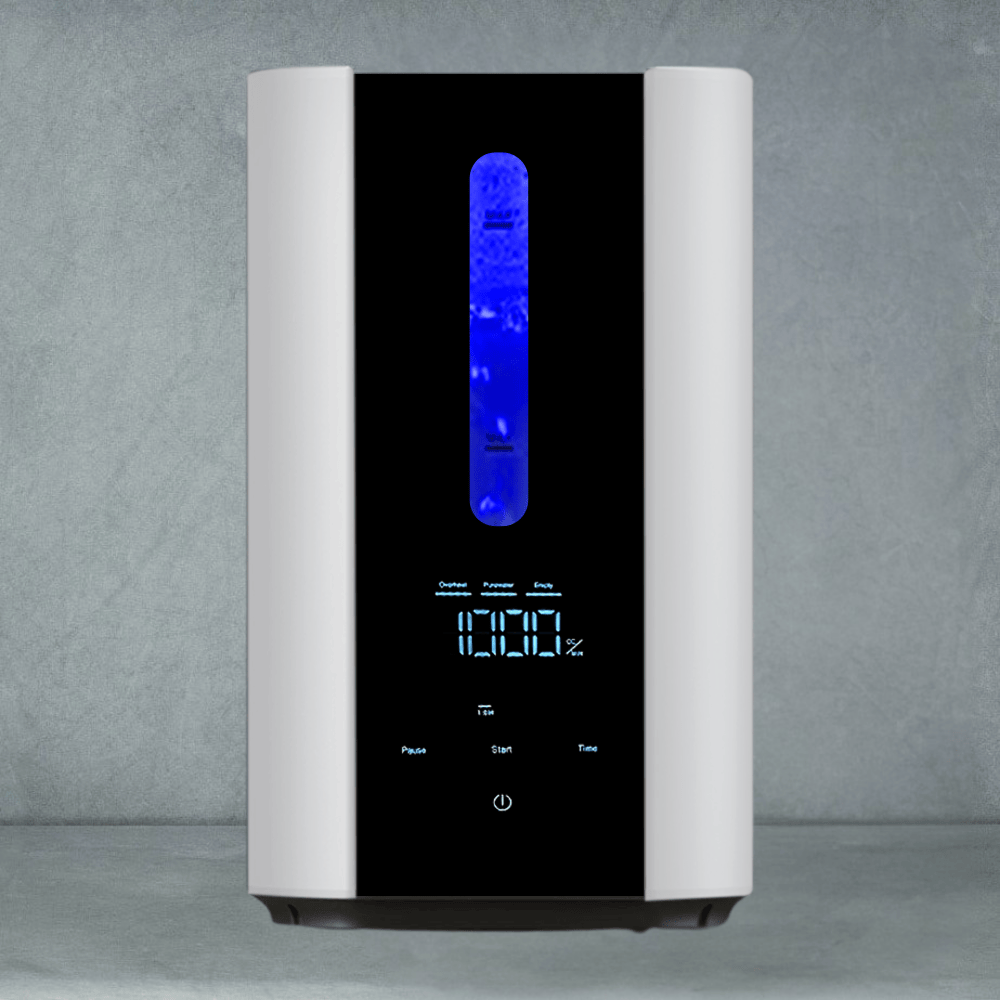
Molecular hydrogen research has attracted growing scientific interest as researchers investigate its potential interactions with oxidative stress, antioxidant activity, and biological processes. H2 Living Water provides hydrogen water machines and hydrogen inhalation equipment for people interested in learning more about this developing field.
But what does current science actually tell us? This guide explains what molecular hydrogen is, how hydrogen water and inhalation work, what published studies have found, and where further research is needed.
Molecular hydrogen (H₂) is a gas made up of two hydrogen atoms. It is the smallest molecule and can diffuse across biological membranes. Researchers have investigated its potential effects on cells and tissues, particularly in relation to oxidative stress and inflammatory processes.
The term molecular hydrogen benefits is often used when discussing possible wellness applications. However, proposed benefits should be distinguished from established clinical outcomes. Laboratory findings, animal experiments, and human clinical trials provide different levels of evidence, and results from early research do not automatically establish a health benefit.
Hydrogen water is drinking water containing dissolved molecular hydrogen gas. Hydrogen water machines are designed to introduce H₂ into water through a generation process. The amount of dissolved hydrogen depends on the machine, water conditions, operating cycle, and storage.
Unlike ordinary water, hydrogen water contains additional dissolved molecular hydrogen. However, hydrogen gas can escape from water over time, particularly when it is exposed to air or stored in an unsuitable container.
When evaluating hydrogen water products, consider the manufacturer's specifications, generation method, maintenance instructions, and verified hydrogen concentration. A higher concentration alone does not establish greater health benefits.
For an overview of available equipment, explore our hydrogen water products.
Hydrogen inhalation involves breathing a hydrogen-containing gas mixture produced by a dedicated device. Unlike hydrogen water, which delivers dissolved hydrogen through drinking, inhalation uses a different route of exposure.
Researchers have investigated hydrogen inhalation in experimental and clinical settings to understand its biological effects and potential applications. These studies use different gas concentrations, exposure periods, delivery systems, and participant groups, making direct comparisons difficult.
Hydrogen inhalation equipment should only be operated according to the manufacturer's instructions and applicable safety requirements. Users should not assume that a device is appropriate for treating a medical condition simply because hydrogen inhalation has been investigated in scientific studies.
Learn more about our H2 Elite Air hydrogen and oxygen inhaler.
Published molecular hydrogen research includes laboratory experiments, animal studies, clinical trials, and systematic reviews. Scientists have explored several possible mechanisms, but the strength of evidence varies according to the research question and study design.
A molecular hydrogen antioxidant effect is one of the main areas of scientific interest. Researchers have investigated whether hydrogen interacts with certain reactive molecules and influences the body's antioxidant systems.
A 2020 randomized, double-blind, placebo-controlled study examined hydrogen-rich water consumption in 38 healthy adults over four weeks. The researchers observed changes in some cellular and immune-related measures, but several major oxidative-stress markers did not differ significantly between the hydrogen-water and plain-water groups.
These findings are interesting but preliminary. A small study cannot establish that hydrogen water consistently improves antioxidant activity or produces meaningful health benefits across the general population.
Reference: Hydrogen-Rich Water Reduces Inflammatory Responses and Prevents Apoptosis of Peripheral Blood Cells in Healthy Adults (2020).
Oxidative stress occurs when reactive molecules and the body's antioxidant defenses become imbalanced. It is a normal subject of biological research because excessive oxidative stress can contribute to cellular damage. Reactive oxygen species also play important roles in normal cell signaling, so eliminating them indiscriminately is not necessarily desirable.
Research on hydrogen water and oxidative stress has produced mixed findings. A 2024 systematic review and meta-analysis examined six studies involving 76 healthy adults and found no statistically significant overall reduction in the measured oxidative-stress marker following molecular hydrogen supplementation. The analysis did report a modest improvement in antioxidant potential, although the evidence was based on a small number of studies.
The findings highlight why more extensive, well-designed trials are needed before drawing firm conclusions about molecular hydrogen benefits.
Reference: Can Molecular Hydrogen Supplementation Reduce Exercise-Induced Oxidative Stress in Healthy Adults? (2024).
Hydrogen inhalation research has examined possible effects in several experimental and clinical contexts. A 2023 review by Johnsen, Hiorth, and Klaveness assessed published human studies and clinical trials involving molecular hydrogen across a range of research areas.
The review described promising findings in some settings while also identifying important limitations, including differences in study methods and the need for stronger clinical evidence. The existence of published studies does not mean that hydrogen inhalation has been established as an effective treatment for specific diseases.
Future research needs larger, carefully controlled clinical trials, standardized delivery methods, and consistent outcome measurements to clarify its safety and potential applications.
Reference: Molecular Hydrogen Therapy—A Review on Clinical Studies and Outcomes (2023).
Although molecular hydrogen research continues to develop, several limitations should be considered when interpreting claims about hydrogen water studies and inhalation.
Hydrogen products should not replace prescribed medication, established medical care, or professional medical advice. Anyone considering hydrogen inhalation, especially people with existing health conditions, should consult a qualified healthcare professional.
The following peer-reviewed publications provide further information about molecular hydrogen research:
Content review: H2 Living Water Editorial Team. A qualified scientific or medical reviewer should verify this page before publication; add the reviewer's name and professional credentials once confirmed.
For more information about product use and common questions, visit our Hydrogen Water FAQ or explore our hydrogen water machines and inhalation devices.
Disclaimer: This page is for general educational purposes only and is not medical advice. Research findings are not guarantees of individual results. Hydrogen water and hydrogen inhalation products are not represented as treatments or cures for any disease.
Discover the truth about oxidative stress and how it impacts your health. This quick guide offers simple, actionable tips to reduce oxidative stress and boost your well-being—naturally!

A compassionate mental health practice dedicated to helping individuals, couples, and families find clarity and balance.